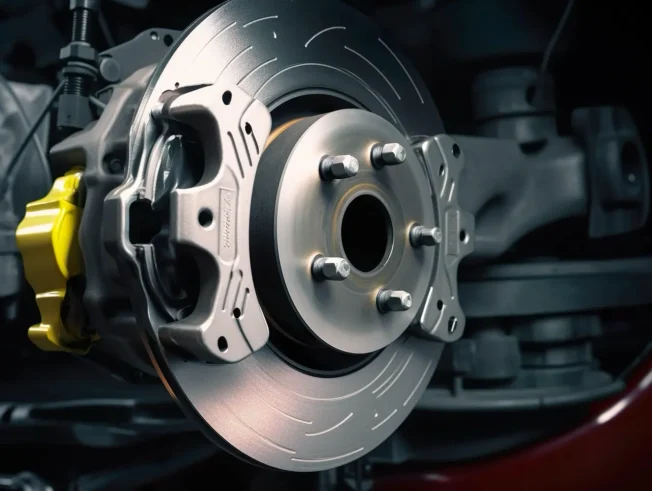

Braking performance is central to vehicle safety in every season, but in Ottawa, brake systems face tougher conditions than in many other Canadian cities. Salted winter roads, freeze–thaw cycles, potholes, and dense city driving all accelerate brake wear.
This 2026 guide outlines the most common brake issues, symptoms you should not ignore, and how Ottawa’s climate affects brake maintenance schedules.
Why Brake Systems Need More Attention in Ottawa in 2026
Brake systems include components such as pads, rotors, calipers, brake lines, brake fluid, and related hardware. In 2026, manufacturers continue to improve materials, but real-world conditions still dominate wear patterns — especially in Ottawa.
Key factors affecting brakes in Ottawa:
1. Road Salt and Corrosion
Salt is essential for winter safety, but it accelerates corrosion on:
- Brake lines
- Calipers
- Rotors
- Hardware and brackets
Corrosion is one of the leading causes of brake repairs in Eastern Ontario.
2. Freeze–Thaw Cycles
Ottawa’s climate still experiences dramatic temperature swings in 2026. These fluctuations introduce:
- Moisture buildup on braking components
- Surface rust on rotors
- Changes in brake fluid behaviour
3. Heavy Stop-and-Go Traffic
Downtown Ottawa, Bank Street, Merivale Road, and commuter routes force brakes to work harder and more frequently. Frequent braking increases pad and rotor wear and raises operating temperatures.
Common Brake Problems Ottawa Drivers Face in 2026
1. Worn Brake Pads
Brake pads gradually lose friction material with every stop. Ottawa drivers who commute daily or drive in traffic-heavy routes often see accelerated wear.
Signs to watch:
- High-pitched squeal during braking
- Scraping or grinding noises
- Reduced stopping performance
2. Warped or Rusted Rotors
Ottawa’s winter moisture and salt exposure cause rotors to rust quickly, especially on vehicles parked outdoors. Warping occurs from repeated hard braking or uneven pad contact.
Symptoms:
- Vibration or pulsation when braking
- Shaking steering wheel while slowing down
- Uneven or inconsistent braking feel
3. Sticking or Seized Calipers
Salt, debris, and corrosion may cause calipers to stick or seize. When this happens, the pads may drag on the rotor or fail to apply evenly.
Symptoms:
- Vehicle pulling to one side when braking
- Burning smell after driving
- Uneven brake pad wear between wheels
4. Soft or Spongy Brake Pedal
A soft or spongy pedal often relates to moisture absorption in brake fluid, air in the brake lines, or internal hydraulic issues.
Symptoms:
- Pedal feels soft or sinks more than usual
- Reduced brake response under normal pressure
- ABS or brake warning lights on the dashboard
5. Corroded Brake Lines
Rusted brake lines remain one of the most serious issues in 2026. Over time, corrosion can weaken metal lines and lead to leaks, compromising braking ability.
Symptoms:
- Damp spots or fluid under the vehicle near the lines
- Visible rust, flaking, or pitting on the lines
- Sudden loss of braking pressure or pedal going to the floor
When Ottawa Drivers Should Schedule a Brake Inspection (2026 Recommendations)
You should book a brake inspection if you notice any of the following:
- Grinding, squealing, or rubbing noises during braking
- Vibration or shaking when pressing the brake pedal
- A soft, hard, or unusually long pedal travel
- The car pulling left or right under braking
- A burning smell after braking or driving downhill
- Visible rust on pads, rotors, calipers, or lines
- Brake or ABS warning lights illuminating
- More than 10,000–15,000 km since your last brake check
2026 trend: More vehicles include electronic wear sensors and dashboard alerts, but traditional symptoms remain just as important. If something feels off, it is worth getting checked.
How to Extend Brake Life in Ottawa in 2026
1. Wash the Undercarriage in Winter
Regularly removing salt from the undercarriage reduces corrosion on lines, calipers, and hardware. A thorough wash in early spring is especially beneficial.
2. Avoid Aggressive Braking
Smoother, earlier braking reduces heat buildup and friction, extending pad and rotor life.
3. Keep Tires Inflated and Aligned
Underinflated or misaligned tires increase stopping distances and stress brake components. Proper tire maintenance supports even braking and better control.
4. Replace Brake Fluid at Recommended Intervals
Brake fluid gradually absorbs moisture, especially in climates with winter conditions. Fresh fluid helps maintain pedal feel and braking power.
5. Address Noise or Vibration Early
Unusual sounds or vibrations are early warning signs. Prompt attention prevents minor wear from turning into major component damage.
6. Use Quality Components Suited for Canadian Conditions
High-quality pads, rotors, and hardware designed for cold-weather use typically last longer and perform more consistently throughout Ottawa’s seasons.
When a Full Brake Service May Be Needed in 2026
A full brake service — including pads, rotors, hardware, and possibly calipers — may be recommended when:
- Multiple components show advanced wear or corrosion
- Vibration or noise persists after minor adjustments
- Braking feels inconsistent or unpredictable
- The vehicle has high mileage without recent brake work
- The inspection reveals significant rust on lines or brackets
Modern vehicles in 2026 often incorporate advanced electronic systems, but the basic mechanical wear on pads, rotors, and lines still drives most brake service decisions.
Conclusion: Brake Safety Matters More Than Ever in 2026
Ottawa’s climate and road conditions continue to challenge vehicle brake systems. Understanding the symptoms of brake wear and addressing issues early ensures safe, reliable driving year-round.
If you notice unusual noises, vibrations, or changes in braking performance, scheduling a professional brake inspection is the safest next step.

